
Can You Keep Playing Your Instrument While Resolving Musician’s Dystonia?
An Honest Answer
Many of the musicians we work with ask whether they should continue playing while resolving musician’s dystonia. A majority are hoping for a definitive "yes," but the honest answer is: it depends.
There is an incredibly fine line between active learning and becoming emotionally overwhelmed.
When to Keep Playing
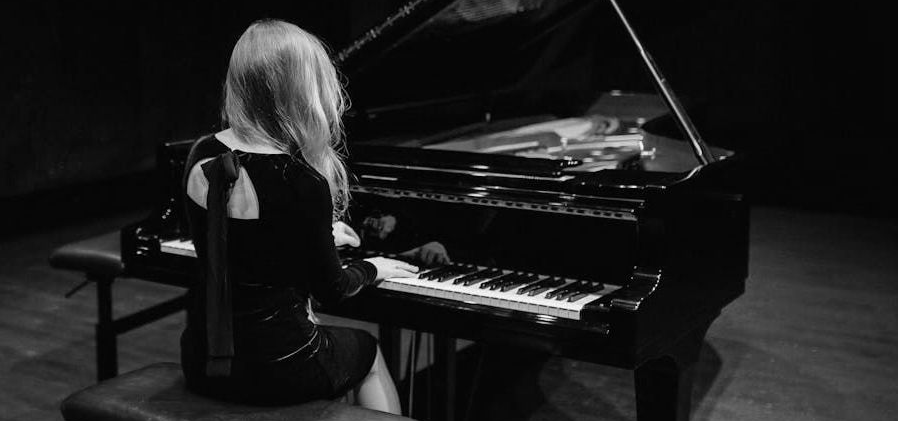
If you can engage with your instrument—whether it’s a piano, drums, violin, trumpet or something else—and truly accept where you are at today, then you should play.
If you can overlook shakes, finger curls, a locked neck, shallow breathing, that sudden recoil when you initially make contact with your instrument, or other focal dystonia symptoms, plan dedicated time to simply enjoy making music.
Reminder: You should not force playing. Making ourselves play is a habit that we may have fallen into in the past for various reasons, but it will not help us now. Ideally, pick times when you have a genuine desire to just play music.
The secret lies in where you place your attention:
- Focus on the music itself: Immerse yourself in phrasing, rhythm, dynamics, style and other musical elements.
- Lose yourself in the joy: See how deeply you can connect to the core reason you became a musician.
- Acknowledge, don't react: When symptoms appear, they will try to derail you. Your job is not to be led astray. Gently remind yourself: "It’s okay. I am working on resolving these symptoms, but right now, I am just making music."
Don’t be discouraged if you have to repeat this phrase numerous times in a single playing session. Taking proactive charge of your focus is a massive part of retraining.
TIP: Some musicians find that playing without reading sheet music can be incredibly freeing, while others prefer notated exercises and music. Try playing a simple piece or even a phrase from memory or just sinking deeply into playing arpeggios. Have fun exploring what works for you.
Benefits of Playing Your Instrument
Continuing to play serves two vital roles in your recovery:
- Integration: Playing helps your brain integrate the retraining drills you've practiced in isolation. However, this only works if you give your brain the space to learn organically. Do not try to consciously force a "perfect" movement or feeling into your playing.
- Contrast: Playing will likely trigger your focal dystonia symptoms. While frustrating, this provides an invaluable point of contrast. It highlights the exact difference between what your body is currently doing and what you want it to feel like.
Often during isolated training drills, we inadvertently hold onto fear and anxiety about "failing" to do a movement properly with our desired feeling. When we actually play music, it forces us to let go and shift our focus from mechanics to artistry.
Crucial Rule: Be sure to keep your playing time separate from your training drill time. Be clear about your intention for a session and stick to that.
When to Step Away
This is where you need to be honest with yourself. Playing is not for you right now if it consistently overwhelms you with:
- Paralyzing fear and anxiety
- Harsh self-criticism and judgment
- An obsession with producing a "perfect" sound, followed by devastation when you cannot
It is perfectly fine to step away from playing. Don’t sweat this!
Let go of guilt about not playing and fear about “losing” technique. Every training drill and element that we prescribe when we work with you is connected with healthy playing and designed to help you construct a much freer, easier, more efficient playing machine from the ground up.
“Stop Trying to Play the Perfect Note!”
When I started working with Greg on resolving focal dystonia symptoms, he had me attempt to play a single note–a low C–on my trumpet.
“Jules, stop trying to play the perfect note!” he exclaimed.
I continued to hear that a lot when I attempted to play a single note during our sessions. Eventually, I realized that my desperate desire to force a perfect sound was contributing to massive tension and anxiety.
The physical commotion was intense and widespread, as you might have seen in the “Julie Journey” video clip on our homepage. Greg often referred to this as the “Ro-day-o” in his jaunty Australian accent.
That instinct–that deeply programmed compulsion–was so tough to undo.
I had to learn to play with total acceptance of where I was at. The symptom storm wasn’t a reflection on my personal identity or my musical ability.
While I chose to play through much of my own recovery, even if this was only a single note at times, I found it essential to step away from the pressure of rehearsals and performances. Removing external expectations gave me the psychological safety to learn to relax and prioritize my recovery.
Your Next Steps
Evaluate your personal situation. Anything you can do to reduce playing pressure will give you much-needed space to heal.
Listen to your nervous system. If playing or even the thought of it causes overwhelming distress, it’s okay to step away for now. If you can keep your focus on expressing yourself musically and the fulfillment it brings despite anything else that may be going on, open your heart and let the music in.